
When the Helper Needs Help
Supporting the Helping Personality Without Losing Yourself
There is a certain kind of person who naturally looks outward. They notice who is struggling, who is overwhelmed, who needs support, and they step in without being asked. These are the helpers. The caregivers. The fixers. The encouragers. The ones others rely on in moments of crisis, transition, or pain.
In many ways, this orientation toward others is a strength. It reflects empathy, responsibility, and a deep capacity for connection. Helpers often carry families, workplaces, churches, teams, and communities forward. They are frequently described as dependable, strong, and emotionally steady.
Yet beneath that outward focus, many helpers quietly neglect their own inner world. Their pain is minimized. Their exhaustion is normalized. Their emotional needs are postponed. Over time, this pattern can lead not only to burnout, but to disconnection from self.
Helping others should not require disappearing from your own life.
The Helping Personality Pattern
People with a strong helping orientation often learned early that being useful was valued. They may have grown up in environments where emotional needs were overlooked, chaos was present, or responsibility came early. In those settings, helping becomes adaptive. It creates purpose, safety, and identity.
As adults, this pattern can look like:
Being the emotional support for everyone else while rarely sharing personal struggles
Feeling uncomfortable when attention turns inward
Minimizing distress by saying “others have it worse”
Staying busy to avoid stillness or self-reflection
Feeling guilty for resting, saying no, or asking for help
This is not selfishness in disguise. It is survival logic that has simply outlived its original context.
Diminishing the Self as a Coping Strategy
Many helpers are not unaware of their own pain. Rather, they have learned to manage it by placing it second. Emotional discomfort is acknowledged briefly, then set aside. Stress is endured. Grief is delayed. Anger is reframed into responsibility.
In more extreme cases, this becomes dissociation from one’s own emotional experience. Feelings are intellectualized. Needs are rationalized away. The body carries the cost while the mind pushes forward.
This strategy works until it does not.
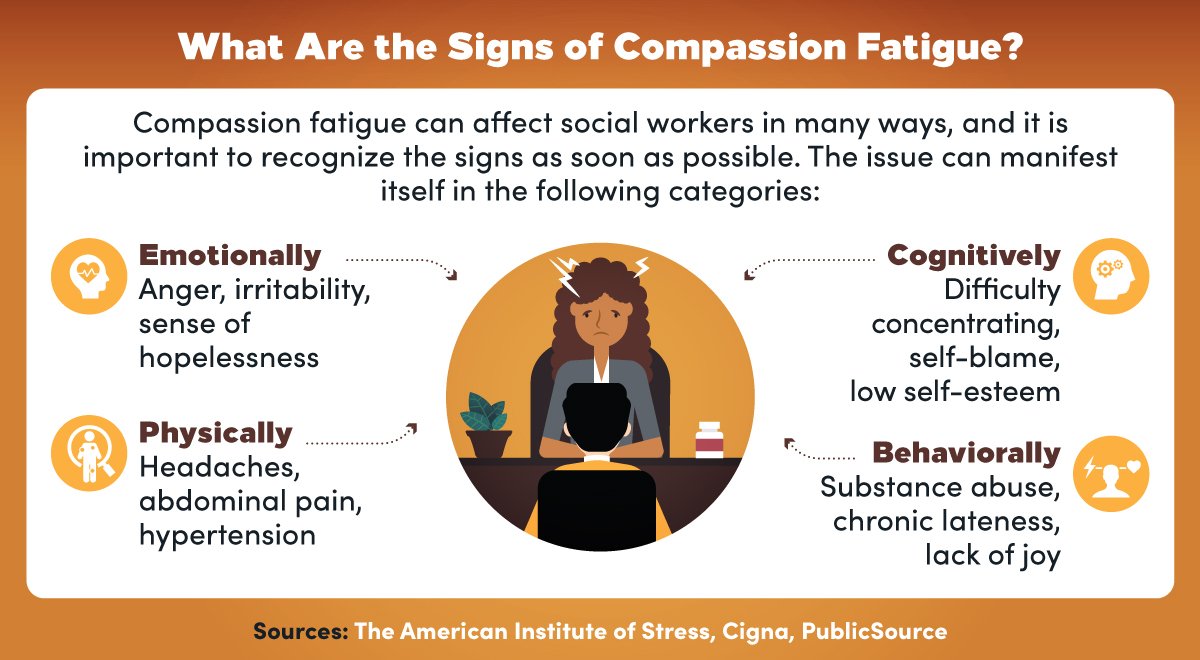
Over time, the nervous system remains in a chronic state of output without adequate restoration. The result may include anxiety, irritability, emotional numbness, sleep disturbances, somatic symptoms, or a sudden sense of emptiness when helping roles slow down.
Why Helpers Struggle to Ask for Help
For many helpers, receiving care feels unfamiliar or even unsafe. Asking for help can trigger beliefs such as:
“I should be able to handle this.”
“Others need help more than I do.”
“If I slow down, everything will fall apart.”
“My worth comes from what I provide.”
There may also be fear of burdening others or of being seen as weak. Ironically, helpers often extend compassion freely to others while holding themselves to rigid standards of endurance.
This imbalance is not sustainable.
Reframing Self-Care for the Helper
For helping personalities, self-care is often misunderstood as indulgence or withdrawal. In reality, it is an ethical necessity.
Caring for yourself does not reduce your capacity to help. It preserves it.
Healthy self-care for helpers focuses less on surface-level relaxation and more on reconnection with self. This includes:
Allowing emotions to exist without immediately fixing them
Practicing honest self-awareness rather than self-judgment
Noticing physical signals of stress and fatigue
Setting limits that protect energy and emotional bandwidth
Learning to receive support without apology
Self-care is not about becoming less available. It is about becoming more grounded.
The Role of Therapy for Helping Personalities
Therapy offers a unique space for helpers because it reverses the usual dynamic. The focus is not on problem-solving for others, but on listening inward.
In therapy, helpers can:
Explore the origins of their helping role without blame
Identify where responsibility has become overextension
Learn to tolerate vulnerability without immediately deflecting
Reconnect with emotions that have been long suppressed
Develop boundaries that feel compassionate rather than punitive
For many helpers, therapy is the first place where they are consistently seen, heard, and supported without expectation of performance.
Learning to Stay Present With Yourself
One of the most meaningful shifts for helpers is learning to stay present with their own internal experience. This does not require abandoning empathy for others. It requires including yourself in the circle of care.
This may begin with small practices:
Checking in with your body before committing to another task
Naming your own feelings with the same respect you give others
Allowing rest without earning it
Noticing when helping becomes avoidance
Presence with self builds resilience. It allows helping to come from abundance rather than depletion.
You Are Allowed to Be More Than Useful
Your value is not measured solely by what you provide. You are allowed to have needs, limits, questions, and seasons of rest. You are allowed to receive care, even if you have always been the one giving it.
Helping others is a gift. Helping yourself is not a betrayal of that gift. It is what allows it to endure.
If you recognize yourself in the helping personality, you do not need to change who you are. You may simply need support in becoming whole again.
And that, too, is worth help.