
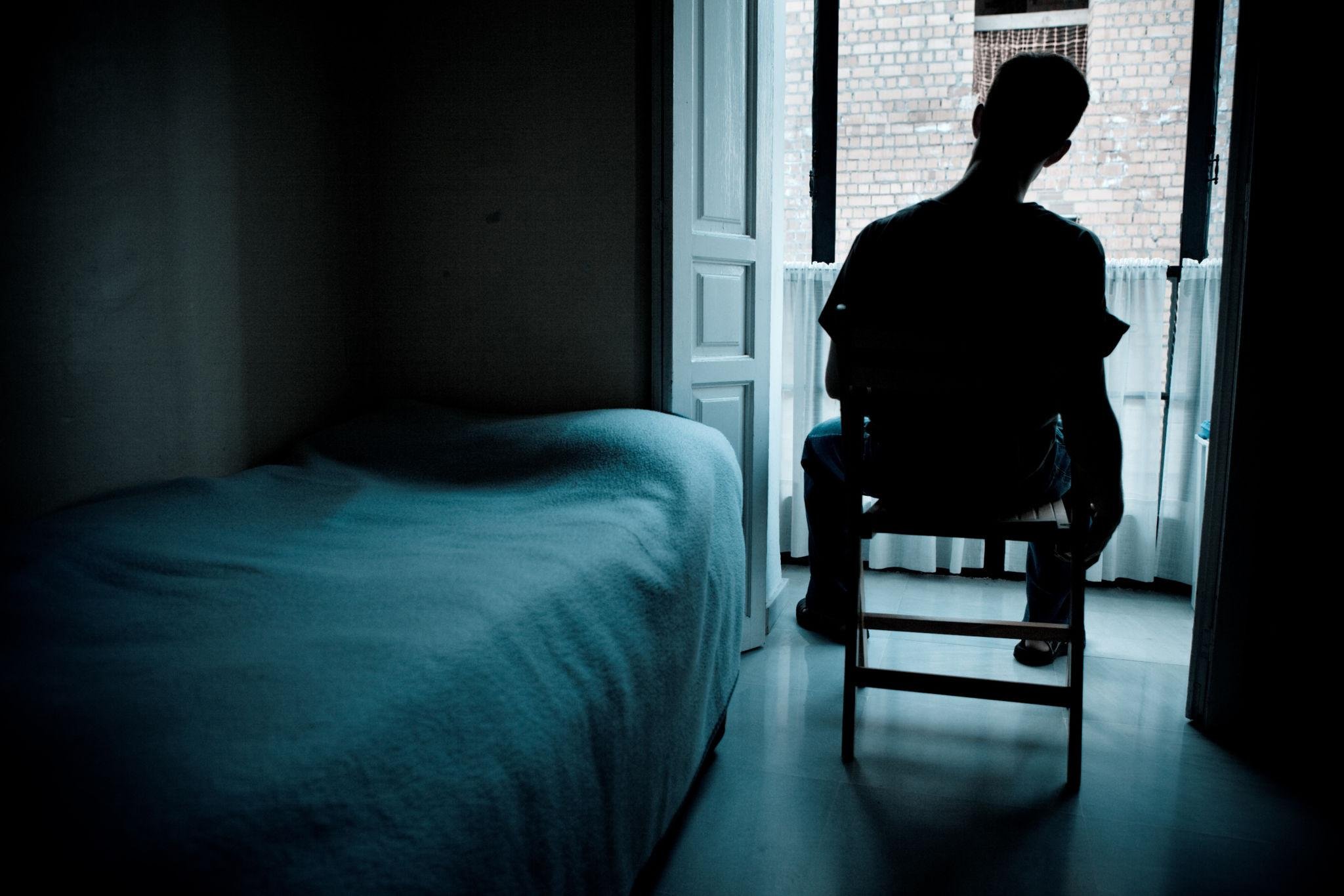
Why Connection Feels Unsafe After Trauma
Connection can feel unsafe after trauma, even when you want closeness. Learn how trauma affects the nervous system, why you may pull away from relationships, and how to begin building safe, healthy connection again.
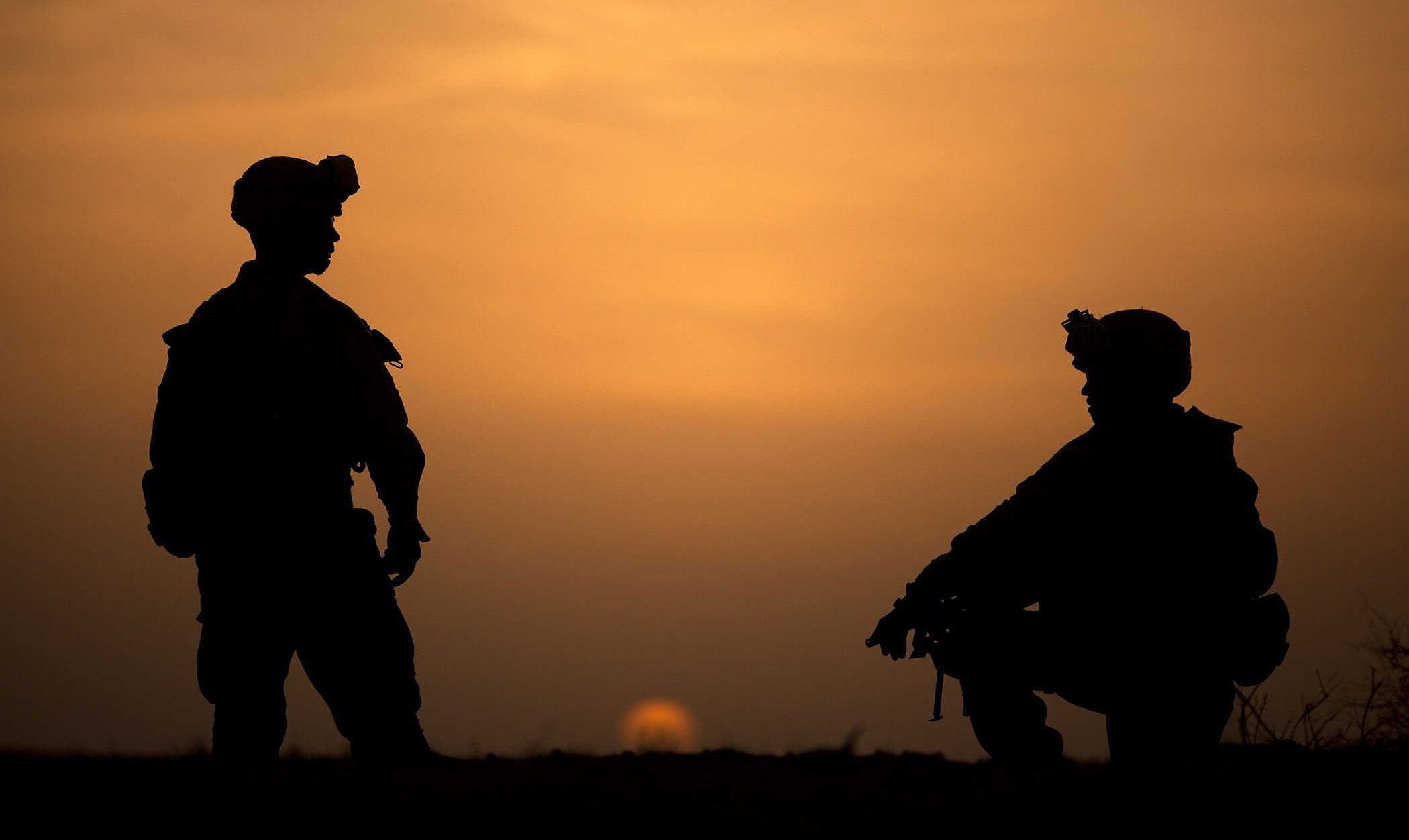
Finding Yourself Again: The Power of Belonging After Trauma
Struggling with identity or purpose after trauma or life transitions? This post explores how being part of a team and something bigger than yourself shapes identity, why its loss feels so heavy, and how to rebuild connection, meaning, and belonging in the healing process.

Hyper-Independence: When Strength Becomes a Barrier
Hyper-independence can look like strength, but often it is a trauma response that leads to isolation, emotional distance, and burnout. Learn how self-reliance becomes a barrier and how to move toward healthy connection without losing who you are.
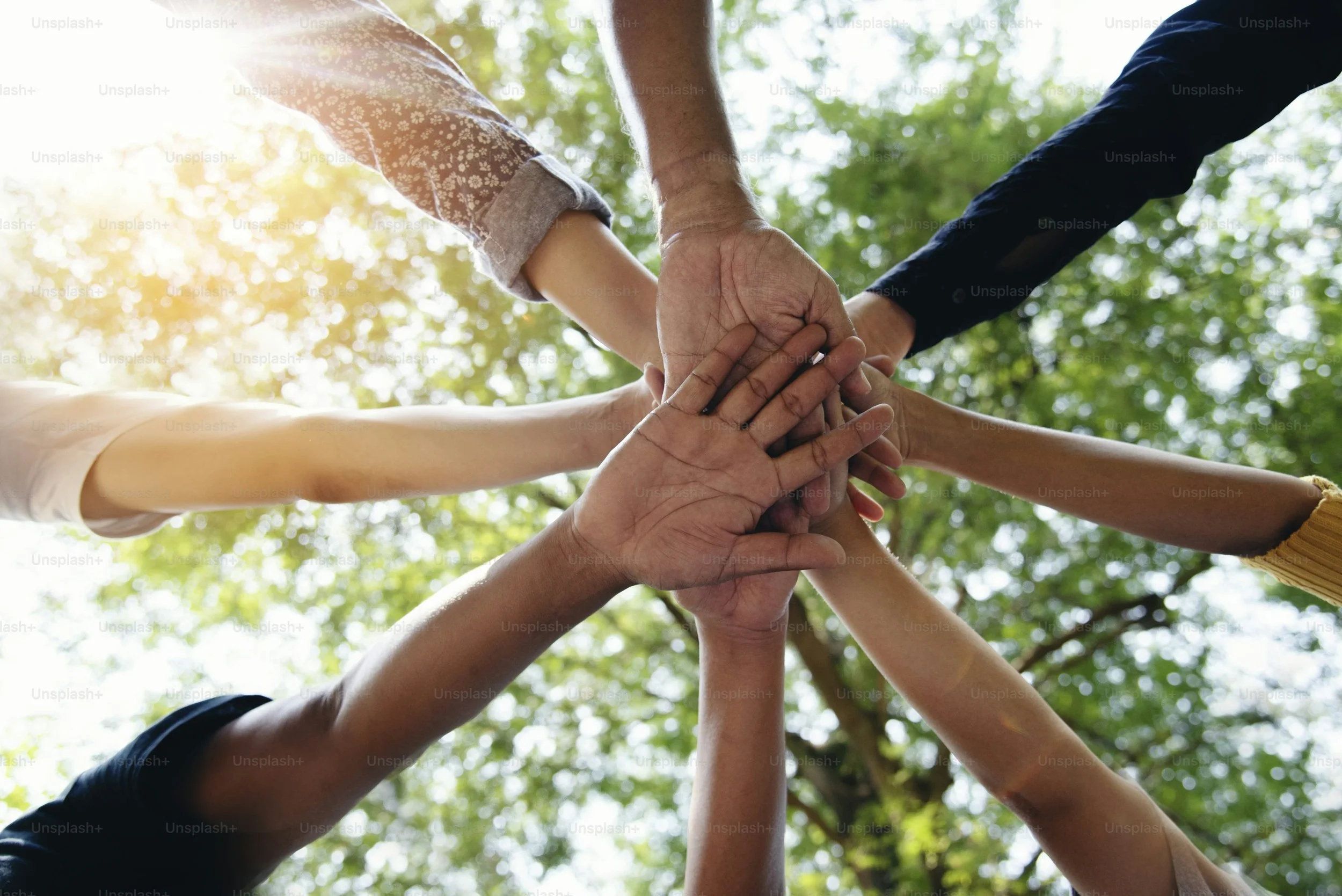
Rebuilding Community with Intention
Rebuilding community requires intentional action. Part 3 of the Reconnection Series outlines practical steps for reconnecting after isolation, including identifying safe people, practicing measured vulnerability, creating relational rhythms, and strengthening emotional resilience through shared purpose.

How Isolation Quietly Forms
Isolation rarely happens overnight. It forms gradually through busyness, disappointment, trauma responses, and subtle shifts in belief. Part 2 of the Reconnection Series explores how isolation develops, how it becomes normalized, and how awareness can begin the process of intentional reconnection and community building.

Community as Medicine: Why Healing Was Never Meant to Happen Alone
Isolation often develops gradually, but healing frequently begins through reconnection. This first article in the Reconnection Series explores why community plays a critical role in emotional health, trauma recovery, and long-term resilience, and how small intentional steps can begin rebuilding meaningful relationships.

When the Helper Needs Help
People who help others often ignore their own needs. Learn why helpers disconnect from themselves and how therapy supports healthier balance.
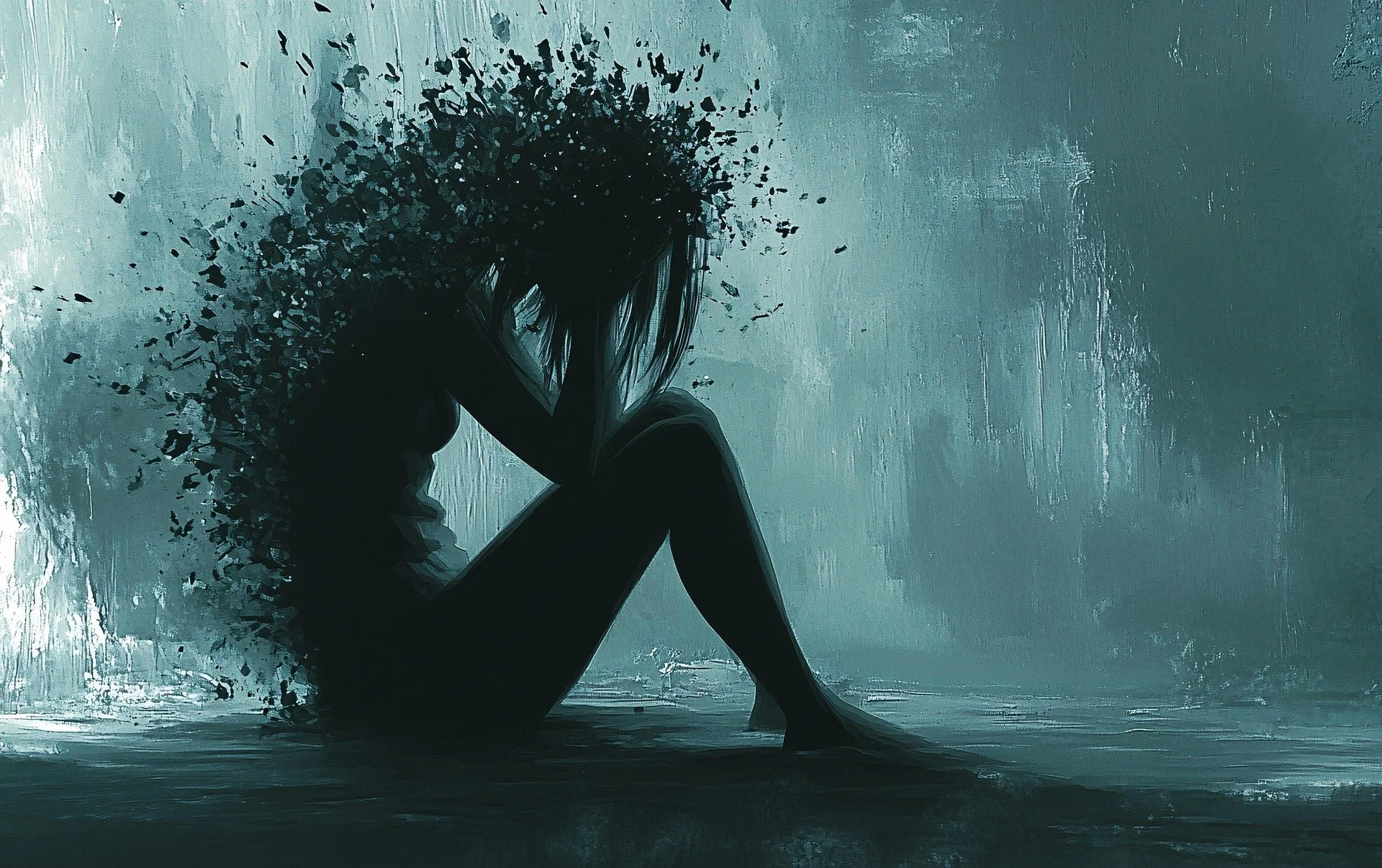
The Cost of “Being Strong”
Being strong helped you survive, but it may now be holding you back. Learn how survival strength can block healing and how therapy helps redefine true resilience.

What Trauma Healing Actually Looks Like (And What It Doesn’t)
Trauma healing is not about forgetting or forcing strength. It is a gradual process that restores safety, regulation, and choice through consistent, trauma-informed support.

When Survival Becomes Exhaustion
Unresolved trauma does not stay contained. Even when pushed aside, it quietly influences emotions, behaviors, and relationships. Over time, this hidden strain can lead to burnout, disconnection, and a loss of self. Trauma healing is not about weakness. It is about the courage to face what hurts, ask for help, and reclaim a life that feels grounded and whole again.

When Growth Feels Stuck
Change can feel impossible when old patterns take over. Therapy helps identify stuck points, challenge limiting beliefs, restore hope, and support meaningful, lasting growth.

Starting Where You Are
New Year’s resolutions often create pressure to change quickly or perfectly. This post explores why real growth does not require a new year, how acceptance fuels change, and why patience and realistic goals lead to lasting progress.
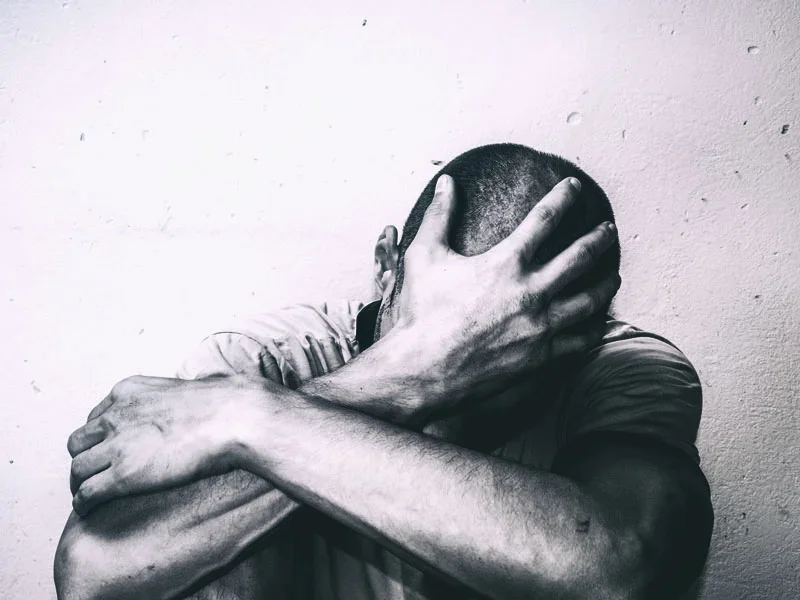
When Loneliness Takes Over
Loneliness can make it feel like no one cares. Learn how to find support, build connection, and take small steps toward healing when loneliness takes over.

Rewriting the Story of Trauma: The Healing Power of Cognitive Processing Therapy
Cognitive Processing Therapy helps individuals heal from trauma by reshaping unhelpful beliefs, reducing PTSD symptoms, and restoring hope and confidence.
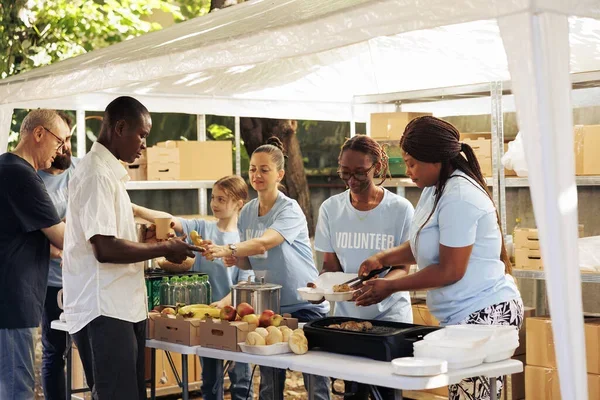
The Healing Power of Service: How Helping Others Supports Emotional Recovery
Service can be a powerful coping skill. Learn how helping others supports healing, builds meaning, and strengthens emotional resilience during difficult seasons.

The Quiet Weight of the Holidays
Discover why the holidays can feel heavy for those carrying trauma. Learn how loneliness affects the body, explore common somatic symptoms, and find gentle coping skills to support your nervous system during the holiday season.

Understanding Trauma-Informed Care: Creating Safety, Trust, and Healing
Trauma-informed care is an approach that recognizes how deeply trauma can shape a person’s emotional, physical, and relational life. It focuses on creating safety, trust, and empowerment so clients can begin healing at a pace that feels right for them. Rather than asking “What is wrong with you,” trauma-informed care asks “What has happened to you” and responds with compassion and understanding. This approach honors the nervous system, emotional needs, and lived experiences of each person. Grounded in research and guided by empathy, trauma-informed care helps individuals feel seen, heard, and supported while rebuilding a sense of safety and control. It is a gentle reminder that healing is possible and that no one has to face their trauma alone.

Trauma, Service, and the Quiet Work of Healing: A Veterans Day Reflection
Trauma does not always begin on a battlefield. Sometimes it begins in a classroom, a living room, or a quiet moment that changes everything. On Veterans Day we pause to honor the courage of those who served and remember that not every wound is visible. Many carry stories that still echo long after the uniform comes off. Healing is possible, especially when we listen, care, and walk together.

Understanding Trauma
Trauma is more than a moment in time. It is the lasting impact overwhelming experiences can leave on the mind and body. Its effects are not always obvious and may appear as anxiety, trouble sleeping, irritability, or feeling disconnected. These responses are not signs of weakness but the nervous system’s attempt to stay safe. Healing takes time, and support, trust, and healthy coping skills help the body settle again. With the right care, people can recover and grow stronger.