PERFORM WITH PURPOSE.
COMPETE WITH CONFIDENCE.
Mental performance coaching and training for youth, high school, collegiate, and professional athletes.
Athlete Mental Performance
Athletic performance is about more than physical ability. Confidence, focus, resilience, preparation, and the ability to respond to pressure can influence how an athlete performs just as much as physical training. Mental performance training helps athletes develop these skills intentionally so they can compete with greater confidence, consistency, and purpose.
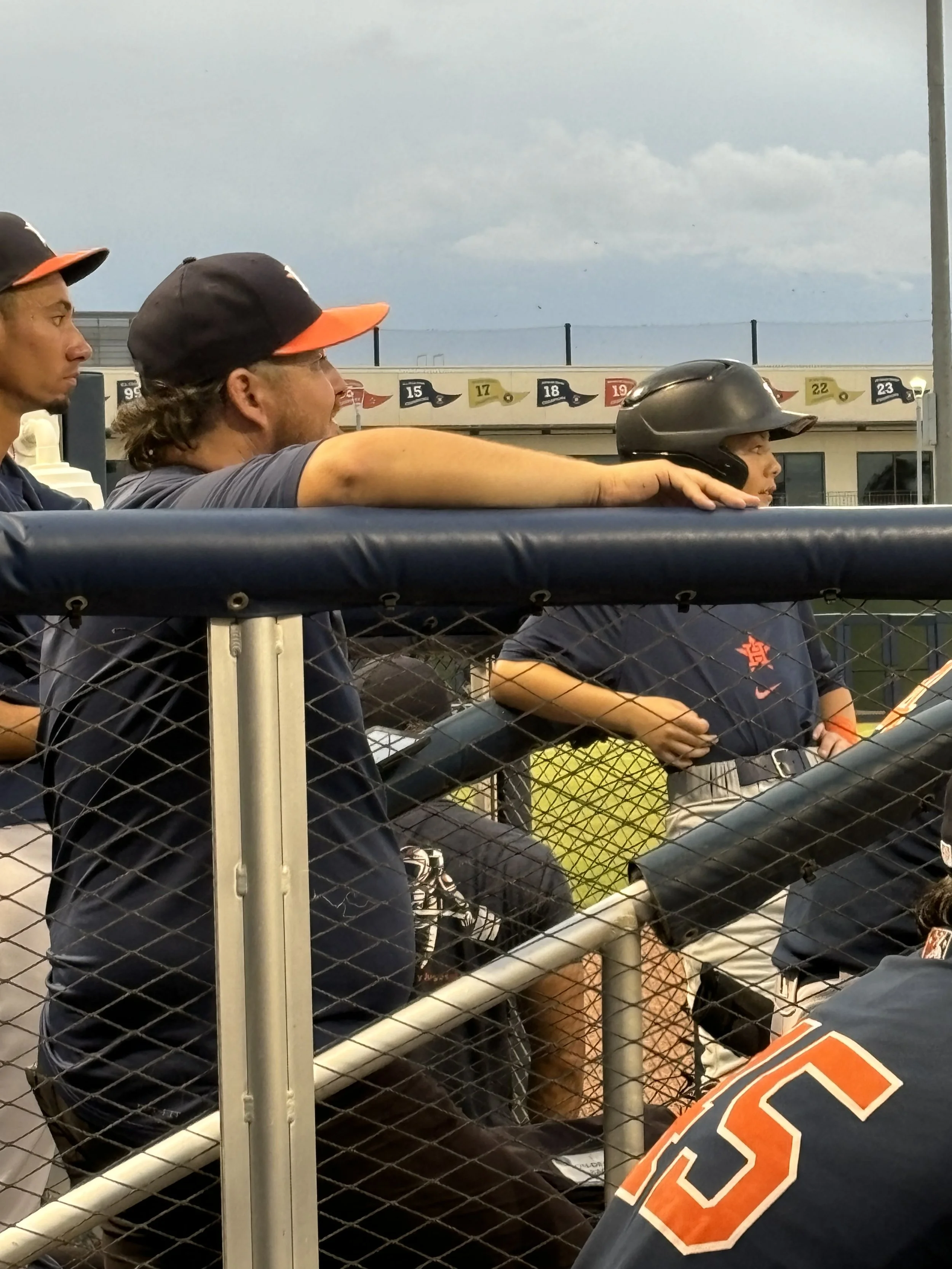
My experience working with athletes spans multiple ages and levels of competition, from youth athletes and high school student-athletes to collegiate athletes and professional players. I have had the opportunity to work with athletes both on and off the field, including experience within a professional baseball organization working with college-aged and professional athletes. These experiences have given me an appreciation for the different challenges athletes encounter as they progress through sport—from developing confidence and learning to manage expectations at a young age to navigating the pressure, competition, identity, and demands associated with high-level athletics.
My approach combines my background in mental health, leadership, and athletics with practical mental performance strategies that athletes can apply in training, competition, rehabilitation, and everyday life. The goal is not simply to help athletes perform better when everything is going well. It is to help them develop the mental skills to respond effectively when things do not.
-
Individual mental performance coaching provides athletes with personalized strategies for developing the mental side of their game. Sessions may focus on confidence, concentration, motivation, emotional control, self-talk, pre-performance routines, resilience, and responding effectively to pressure, mistakes, and setbacks.
Every athlete is different. Coaching is tailored to the athlete's age, sport, position, competitive level, personality, and individual performance goals.
-
Successful teams require more than talented individuals. Team performance training focuses on the mental and interpersonal skills that allow athletes to perform effectively together.
Sessions may address communication, accountability, leadership, team cohesion, confidence, responding to adversity, competitive mindset, and developing a strong team culture. Training can be customized for full teams, position groups, team leaders, or specific challenges identified by coaches and athletes.
-
Workshops and presentations provide practical, engaging mental performance education for athletes, coaches, parents, teams, camps, schools, and athletic organizations.
Topics can include confidence, resilience, performing under pressure, leadership, motivation, mental preparation, athlete identity, communication, responding to failure, and athlete well-being. Each presentation can be tailored to the age, competitive level, and specific needs of the audience.
-
Performance consulting helps coaches, teams, and athletic organizations create environments that support both athlete development and competitive performance.
Consultation may include leadership development, team culture, coach-athlete communication, motivation, accountability, mental performance programming, and strategies for integrating mental skills into everyday practices and competition. Rather than treating mental performance as an occasional presentation, consulting can help programs make it an intentional part of how athletes are developed.
-
Physical rehabilitation is only one part of returning from an injury. Athletes may also experience fear of reinjury, frustration with the rehabilitation process, loss of confidence, changes in athletic identity, isolation from teammates, or uncertainty about whether they will return to their previous level of performance.
Return-to-play mental performance services support athletes throughout the psychological side of rehabilitation. Work may focus on maintaining motivation during recovery, managing setbacks, staying connected to athletic identity and team goals, rebuilding trust in the body, managing fear of reinjury, restoring competitive confidence, and mentally preparing for the transition back into practice and competition.
The goal is not simply to help an athlete become physically cleared to play, it is to help them feel mentally prepared to compete again.
WHO I WORK WITH
Youth Athletes · High School Athletes · Collegiate Athletes · Professional Athletes · Coaches · Teams · Athletic Organizations